Can I Adjust Status Inside the U.S.? Common Eligibility Questions
Can I Adjust Status Inside the U.S.? Common Eligibility Questions
When considering whether we can adjust our status inside the U.S., it's crucial to understand the eligibility requirements and potential hurdles. Many wonder if their current visa type or an overstayed visa affects their chances. The good news is, various paths like family-based petitions exist, offering hope even if we've hit a few bumps along the way. Let's explore the ins and outs of this process together.

Understanding Adjustment of Status
Although navigating the U.S. immigration system can seem daunting, understanding the adjustment of status process is crucial if you're planning to change your non-immigrant status to a lawful permanent resident while staying in the country. Let's break down what adjustment of status means. Essentially, it allows us to apply for a green card without leaving the U.S. We avoid the need to return to our home country to process the visa, making it a convenient option for many. We begin this process by filing Form I-485 with the U.S. Citizenship and Immigration Services (USCIS). Alongside this, we might need to submit various supporting documents. Throughout, we stay informed and proactive, ensuring we follow all instructions and meet deadlines.
Eligibility Requirements for Adjustment of Status
To successfully navigate the adjustment of status process, it's important to understand who qualifies for it. First, we need to determine if we are eligible for a green card. Typically, this means being present in the U.S. on a valid visa or parole. We must also ensure we haven’t violated our visa terms by overstaying or working illegally. Additionally, most of us will need an immigrant visa number immediately available and a qualifying relationship or employer sponsorship.
Moreover, we must confirm we’re not barred due to inadmissibility issues like certain criminal offenses or health-related grounds. Submitting the necessary forms, such as the I-485, and supporting documents is crucial. Staying informed and organized throughout is vital for a successful adjustment process.
Temporary Visa Holders: Can You Adjust Status?
Can temporary visa holders adjust their status while in the U.S.? Yes, they can, but it depends on their specific situation. We must ensure that we're eligible under the conditions set by U.S. immigration law. Generally, temporary visa holders may qualify if they're immediate relatives of U.S. citizens or have a family-based or employment-based petition approved. It's crucial that we entered the U.S. legally and maintained our status.
Before moving forward, we should confirm that no bars to adjustment apply to us, such as certain criminal convictions or immigration violations. Consulting an immigration attorney might be beneficial to navigate this complex process. By understanding the rules and preparing properly, we can increase our chances of successfully adjusting our status while remaining in the U.S.
Overstayed Visa: Are You Eligible for Adjustment?
Why do some of us find ourselves in a situation where we've overstayed our visa, and what can we do about it? Life's unpredictability sometimes means our plans change or circumstances force us to remain longer than intended. While overstaying can complicate our immigration process, it doesn't necessarily close the door on adjusting status.
If we've overstayed our visa, eligibility for adjustment primarily depends on how we entered the U.S. and our relationship to U.S. citizens or lawful permanent residents. Entering legally is crucial, as is having an immediate family member who can petition for us. Overstaying can trigger bars to re-entry, but waivers might be available. It's important we consult with an immigration attorney to explore our specific options and navigate the path forward effectively.
The Role of Family-Based Petitions
Navigating the complexities of adjusting our status after an overstay often places a spotlight on the importance of family-based petitions. These petitions, primarily filed by U.S. citizens or lawful permanent resident family members, can play a crucial role in our journey. They offer a pathway to adjust our status without leaving the U.S., which can be a significant advantage if we’ve overstayed our visa.
Employment-Based Adjustment Options
While exploring options to adjust our status, employment-based pathways present valuable opportunities for those of us seeking to remain in the U.S. legally. Employment-based adjustment of status primarily revolves around securing a job offer from a U.S. employer willing to sponsor us. We must usually be in one of the eligible visa categories, such as H-1B, L-1, or other specialized work visas. Our employer plays a crucial role by filing a petition on our behalf, typically through Form I-140, Immigrant Petition for Alien Worker. It’s important that we maintain lawful status while our application is processed. Additionally, some categories allow "premium processing" for faster results. We should consult an immigration attorney to better understand our eligibility and specific requirements.
Special Categories and Humanitarian Programs
Employment-based options aren't the only pathways available for those of us wanting to adjust our status in the U.S. We can explore special categories and humanitarian programs, which offer unique opportunities. Programs like the Violence Against Women Act (VAWA) allow certain abused family members of U.S. citizens or permanent residents to adjust status independently. Additionally, the U.S. provides Temporary Protected Status (TPS) for individuals from countries experiencing ongoing conflict or natural disasters, granting them temporary relief and work authorization.
For those seeking refuge, asylum offers protection to individuals who’ve suffered persecution or fear it due to race, religion, nationality, or political opinion. Lastly, the U Visa is available for victims of specific crimes, providing a path to legal status while aiding law enforcement.
Common Obstacles in the Adjustment Process
Although adjusting our status in the U.S. offers hope for many, it's not without its challenges. One common obstacle we face is the complexity of the paperwork. Navigating forms like the I-485 can be daunting, especially if we're unfamiliar with immigration terminology. Additionally, the process often demands extensive documentation to prove eligibility, which can be overwhelming to compile and organize.
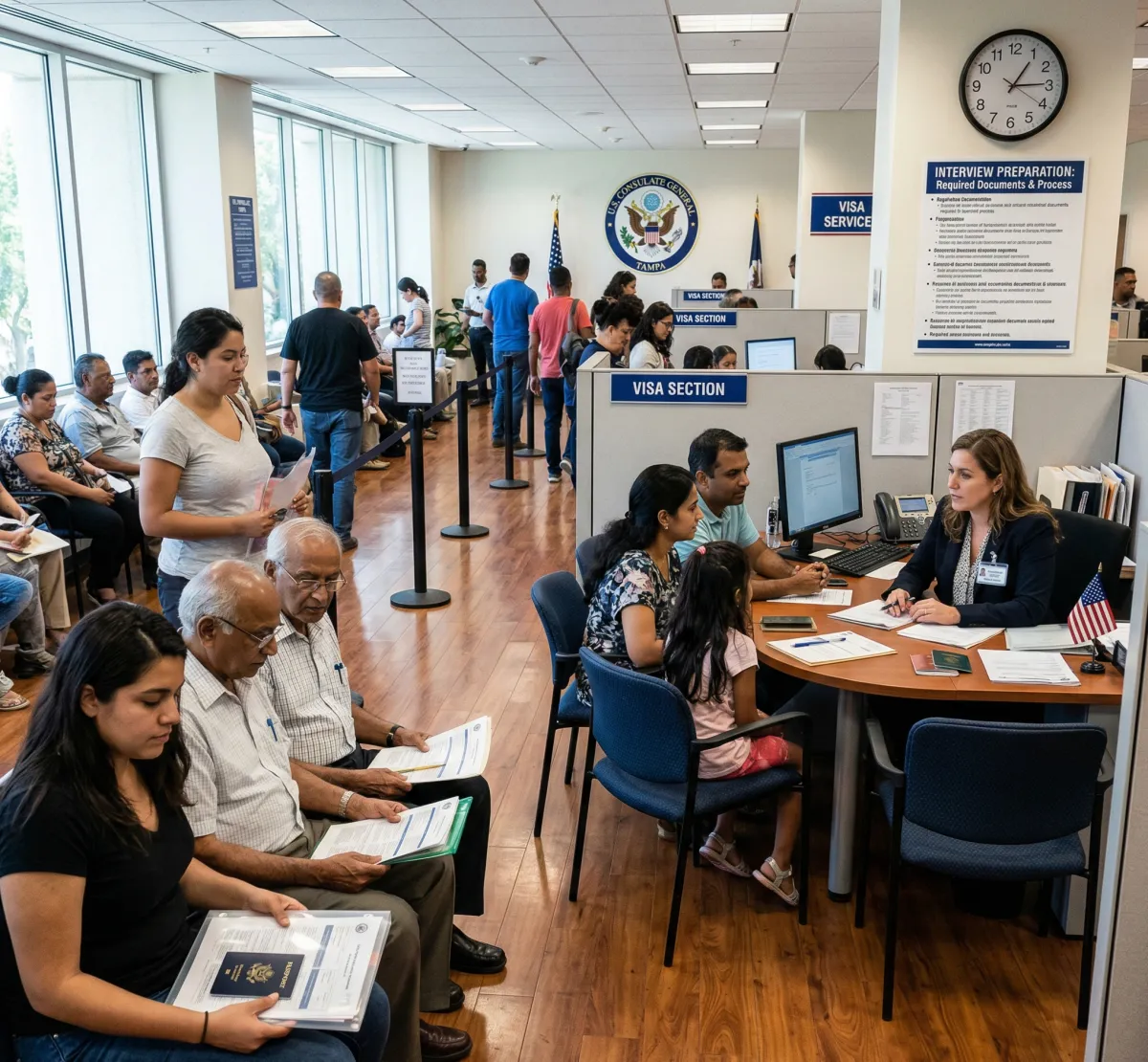
Another hurdle is the lengthy processing times. Waiting for months, or even years, can test our patience and create uncertainty about our future. Moreover, sudden changes in immigration laws or policies can disrupt our plans, introducing unexpected complications. We also need to be mindful of interview requirements, as being unprepared can jeopardize our chances of a successful adjustment.
The Importance of Maintaining Legal Status
Maintaining our legal status in the U.S. is crucial for ensuring a smooth adjustment process and securing our future here. When we adhere to visa requirements and meet deadlines, we demonstrate responsibility and respect for U.S. immigration laws. This proactive approach can significantly impact our ability to adjust status without facing unnecessary complications or delays.
Falling out of status can lead to severe repercussions, including ineligibility for status adjustment, deportation, or even bans on re-entry. We must be vigilant about visa expiration dates and any changes in our circumstances that might affect our status. By keeping our documentation current and seeking guidance when needed, we protect our ability to live and work in the U.S. and lay a strong foundation for our future.
Steps to Successfully Adjust Your Status
Navigating the process of adjusting our status in the U.S. requires careful planning and attention to detail. First, we need to determine our eligibility by understanding the specific visa category we’re applying for and ensuring we meet all the requirements. Next, gathering all necessary documents, such as proof of current status, financial information, and identification, is crucial. We must complete Form I-485, Application to Register Permanent Residence or Adjust Status, and pay the appropriate fees. Don’t forget to schedule a biometrics appointment and attend any interviews if required. It’s also important to keep track of deadlines and maintain copies of everything we submit. By staying organized and informed, we increase our chances of a smooth and successful adjustment process.
In navigating the path to adjusting status in the U.S., we must remember that each situation is unique. We've explored various eligibility criteria, from visa holders to those who’ve overstayed. By understanding the importance of family-based petitions, special categories, and maintaining legal status, we can better prepare for this journey. Let’s ensure we’re informed, proactive, and ready to tackle any obstacles that may arise, making the process smoother and more successful.
