
Tampa'S family law specialists
blog
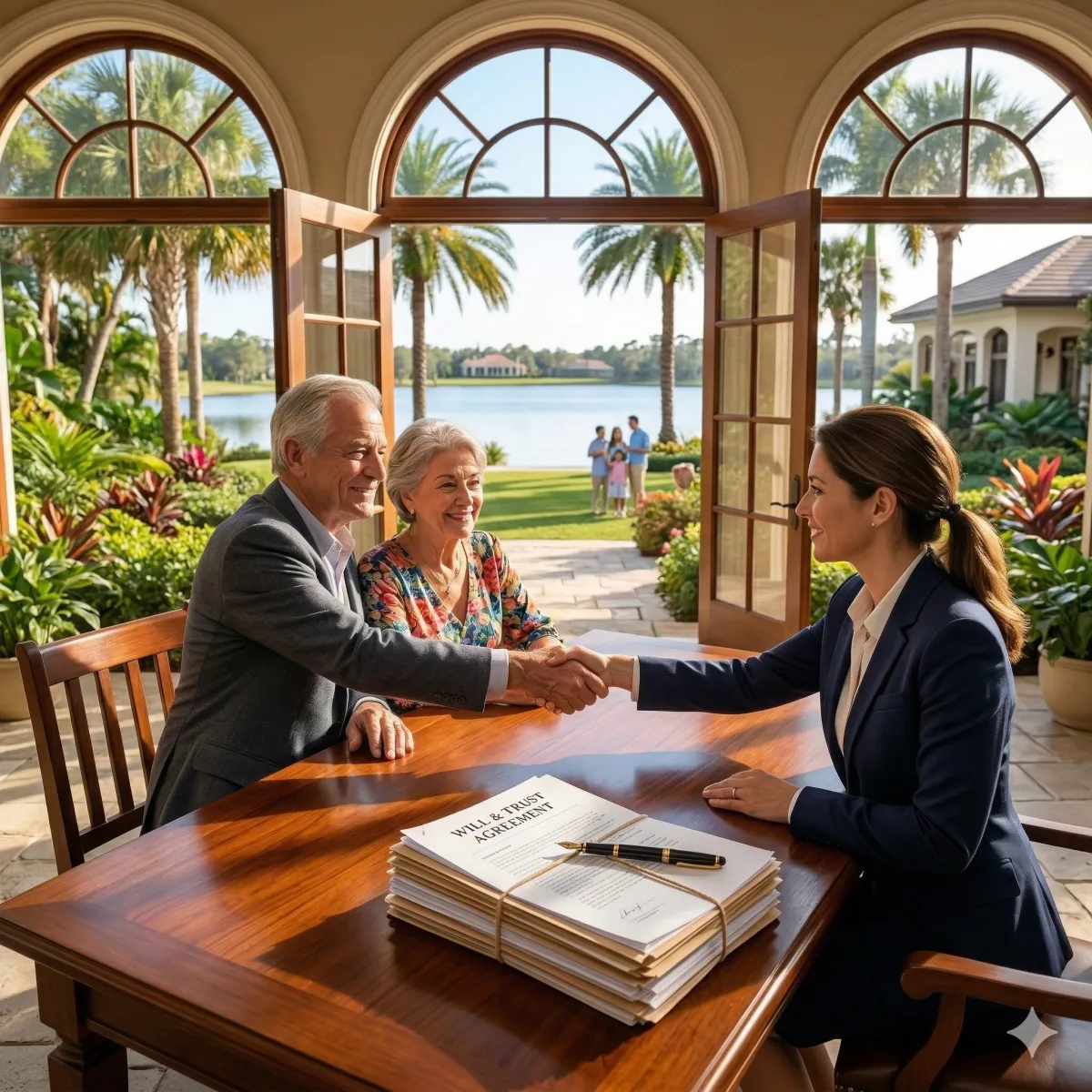
How to Avoid Probate in Florida (Legally)
How to Avoid Probate in Florida (Legally)
Navigating the complexities of estate planning can be daunting, but when it comes to avoiding probate in Florida, we've got some effective strategies to consider. Probate can be time-consuming and costly, yet with the right approach, we can ensure a smoother transfer of assets. From establishing a revocable living trust to using transfer-on-death deeds, there are various legal avenues to explore. Let's dive into these options to protect our loved ones and assets.

Understanding Florida's Probate Process
When navigating Florida's probate process, it's crucial to first understand its purpose and function. Probate ensures that a deceased person's estate is properly administered, debts are paid, and assets are distributed according to the will or state law.
As we dive into this, we realize the probate timeline can vary greatly. It often depends on the complexity of the estate administration, ranging from a few months to over a year.
We need to file necessary documents with the court, notify creditors, and appraise assets. This timeline is important for understanding when beneficiaries might receive their inheritance.
Knowing the steps involved helps us anticipate potential delays and address them efficiently. By understanding this, we’re better equipped to navigate the complexities of Florida’s probate process effectively.
The Benefits of a Revocable Living Trust
Although probate serves an essential role in estate administration, we might find a revocable living trust offers significant advantages for those seeking to avoid this often lengthy process.
By establishing a revocable living trust, we maintain control over our assets during our lifetime and seamlessly transfer them to beneficiaries without probate delays. This flexibility ensures we can update our estate plan as circumstances change, offering peace of mind.
In trust administration, this approach typically results in faster distribution of assets, preserving privacy since trust details aren’t publicly disclosed, unlike probate records.
Additionally, a revocable living trust can minimize potential conflicts among heirs, as our intentions are clearly documented.
Joint Ownership With Rights of Survivorship
Joint Ownership with Rights of Survivorship offers a straightforward method for avoiding probate, allowing us to efficiently manage our assets.
By entering into joint tenancy, we ensure that our property automatically passes to the surviving owner without the need for court proceedings. This can be incredibly beneficial for both real estate and personal property, as the transfer is seamless and immediate.
The key component here is survivorship rights, which mean that when one of us passes away, the ownership interest instantly transfers to the surviving owner.
This approach not only saves time and legal fees but also provides peace of mind knowing our loved ones will inherit our share without complications.
Designating Beneficiaries on Financial Accounts
While joint ownership with rights of survivorship offers a practical solution for avoiding probate, another effective strategy is designating beneficiaries on financial accounts.
This simple step ensures that our assets pass directly to our chosen individuals without going through probate. By setting up financial account designations, we make it clear who should receive the funds upon our passing.
It’s crucial to keep these beneficiary updates current, reflecting any life changes such as marriage, divorce, or the birth of a child. Most banks and financial institutions provide easy forms for this process.
Utilizing Transfer-on-Death Deeds
To bypass the probate process for real estate, we can utilize Transfer-on-Death (TOD) deeds, a practical tool available in some states, including Florida.
These deeds allow us to name a beneficiary who'll receive the property directly upon our passing, providing significant transfer on death benefits. It streamlines the transfer process, ensuring our loved ones inherit without delay or legal hurdles.
Executing a TOD deed is straightforward. We need to ensure proper deed execution by creating and recording it with the county recorder's office where the property is situated.
This deed doesn't affect our ownership during our lifetime; we retain full control and rights to the property. By using TOD deeds, we can spare our heirs the lengthy and costly probate proceedings.
Gifting Assets During Your Lifetime
Besides using Transfer-on-Death deeds, we can also consider gifting assets during our lifetime as a strategic way to avoid probate in Florida. By doing so, we can transfer ownership without the hassles of probate proceedings.
However, we must remain mindful of the gift tax implications. The IRS allows us to gift a certain amount each year without incurring this tax, which is an essential consideration when planning.
Accurate asset valuation is crucial to ensure we stay within these limits and maximize our gifts' tax efficiency. By evaluating our estate and making calculated gifts, we can reduce the size of our estate, potentially lowering overall tax burdens and simplifying the transition of our assets to loved ones.
Establishing Payable-on-Death Accounts
Establishing payable-on-death (POD) accounts offers a straightforward method to keep funds out of probate in Florida. With POD accounts, we designate a beneficiary who'll receive funds directly upon our passing. This process bypasses the lengthy probate proceedings, ensuring a smooth transfer of assets.
To set up a POD account, we should contact our bank or credit union to understand their specific financial institution policies. Most institutions require us to complete a form naming our beneficiary. It's important to keep this information updated, especially after major life events.
Seeking Professional Legal Advice
When navigating the complexities of estate planning, seeking professional legal advice can be invaluable.
We know that estate planning involves many intricacies, and having a knowledgeable guide can make all the difference. Legal consultations provide us with tailored strategies to ensure our assets are protected and probate is avoided.
A qualified attorney can help us understand Florida-specific laws and how they impact our estate planning decisions.
In conclusion, let's take proactive steps to ensure a smooth asset transfer in Florida. By setting up a revocable living trust, we can bypass probate altogether. Joint ownership and designated beneficiaries simplify real estate and financial accounts. Transfer-on-death deeds and payable-on-death accounts streamline the process further. Gifting assets during our lifetime is another option. For complete peace of mind, let's seek professional legal advice to tailor these strategies to our unique circumstances.



CONTACT
14502 North Dale Mabry Highway Suite 200 Tampa, FL 33618
(By Appointment Only)